SPECIFICATION
| Chemical Name |
Ammonium Bisulfite |
| Molecular Formula |
(NH₄)HSO₃ |
| CAS Number |
10192-30-0 |
| Appearance |
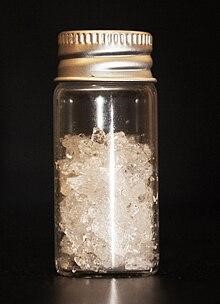
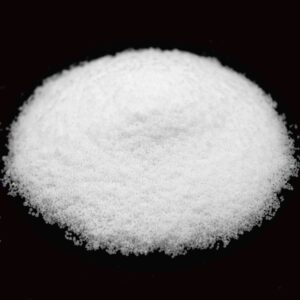
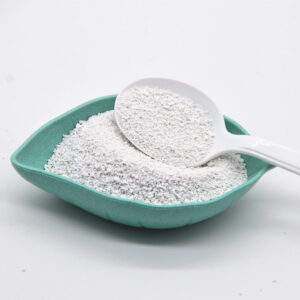
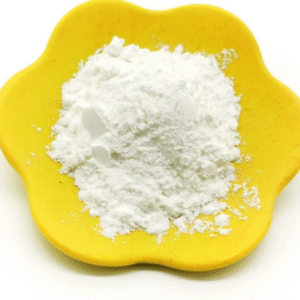
Colorless Or White Crystal With Strong Odor |
| Grade Standard |
Industrial grade |
| Solubility |
Water Soluble |
Description:
Ammonium Bisulphite (NH4HSO3), also known as ammonium hydrogen sulfite, is a chemical compound with the chemical formula NH4HSO3. It exists as
colorless crystals, forming a salt-like structure composed of ammonium cations (NH4+) and bisulfite anions (HSO3-).
Ammonium Bisulphite is characterized by its colorless crystal appearance and possesses a pungent odor.
The compound is soluble in water and exhibits hygroscopic properties, readily absorbing moisture from the surroundings.
Ammonium Bisulphite is widely employed in various industrial applications due to its reducing properties.
In chemical processes, it serves as a reducing agent, particularly when the removal of oxygen is required.
Within the water treatment industry, Ammonium Bisulphite acts as a dechlorination agent, reacting with chlorine in water to form ammonium sulfate and
sulfur dioxide, effectively removing chlorine content.
In the textile industry, it finds application as a bleach stabilizer and antioxidant during the processing of textiles and fabrics.
The compound is utilized in the paper and pulp industry as a pulp bleaching agent, aiding in the extraction of lignin during the pulping process.
Ammonium Bisulphite is employed in the preservation of fruits and vegetables, functioning as a food additive to prevent discoloration and maintain freshness.
In photography, it plays a role as a fixing agent to remove excess unexposed silver halide from photographic emulsions.
In the oil and gas industry, it serves as a scavenger for oxygen removal in drilling fluids and pipelines.
Due to its reducing properties, Ammonium Bisulphite is involved in the extraction and refining of metals, particularly in processes where oxygen removal is
crucial.
The compound is explored in the agricultural sector for potential use as a fertilizer additive, contributing to nutrient availability in the soil.
Ammonium Bisulphite is also under investigation for its antimicrobial properties and potential applications in disinfectants and preservatives.
Despite its pungent odor and reactivity, proper safety measures are observed during the handling and storage of Ammonium Bisulphite in industrial settings
 +27 (0) 83 279 8073 (Faster Response)
Reviews
There are no reviews yet.